About Ceramic Fiber Board
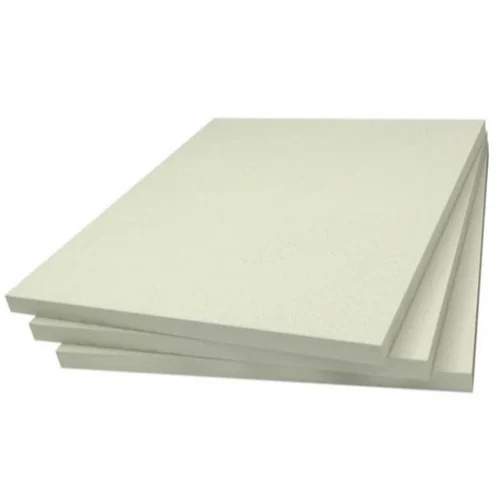
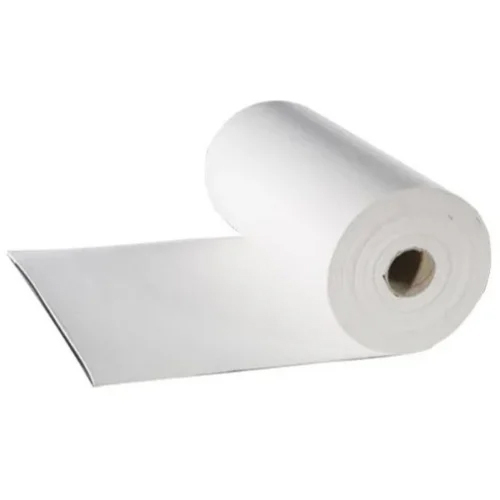
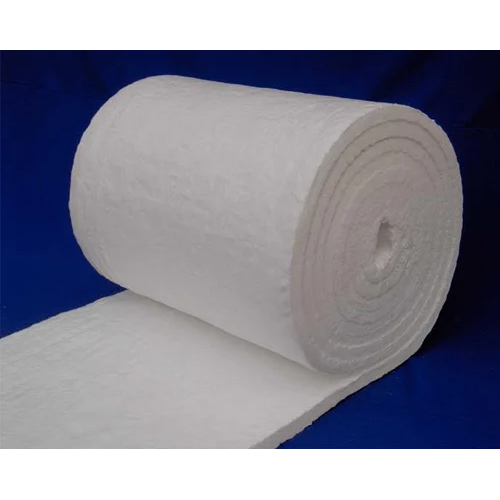
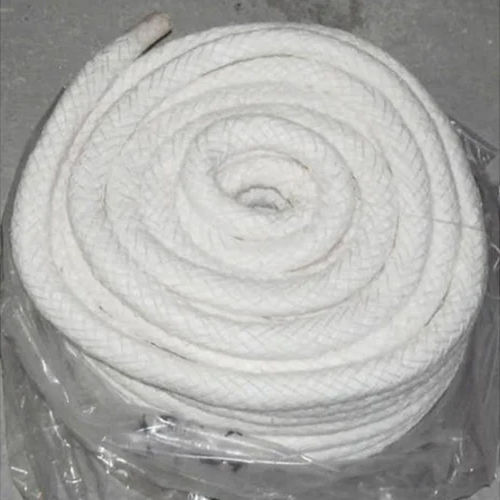
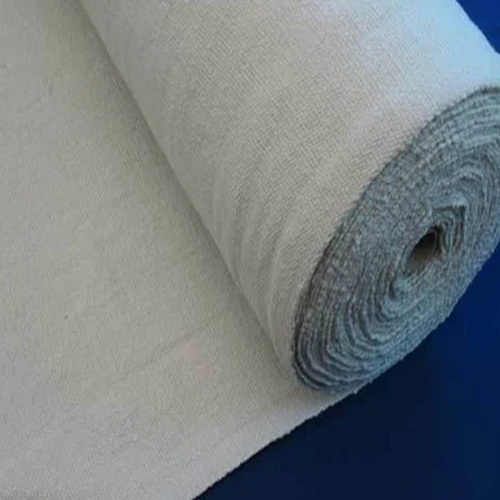
Ceramic Fiber Board is a high-temperature insulation material made from ceramic fibres and binders. It has low thermal conductivity, high-temperature stability, and excellent thermal shock resistance. Ceramic Fiber Board is often used in high-temperature industrial applications such as furnace linings, backup insulation and klind car decks. These are also well known for their durability, lightweight and easy machinability. These are available in various sizes, densities and thicknesses to suit different insulation requirements and needs.
High Temperature ResistanceThis ceramic fiber board withstands temperatures up to 1260C (2300F), making it suitable for extreme heat applications like furnace and kiln linings. Its robust composition ensures integrity under high thermal stress.
Exceptional Chemical and Environmental StabilityEngineered using high purity alumino-silicate fibers, the board boasts excellent chemical stability and resists most industrial chemicals. Its resistance to thermal shock further enhances longevity in challenging operating environments.
Versatile Industrial ApplicationAvailable in a variety of thicknesses and sizes, these boards accommodate different insulation needs. They are perfect for furnace and boiler insulation, as well as fire protection and other high-temperature industrial processes.
FAQ's of Ceramic Fiber Board:
Q: How is ceramic fiber board typically used in industrial applications?
A: Ceramic fiber board is used for high-temperature insulation in furnaces, kilns, boilers, and fire protection systems. Its high thermal stability and low thermal conductivity make it ideal for lining and insulating equipment exposed to extreme heat.
Q: What benefits does high purity alumino-silicate fiber offer in ceramic fiber boards?
A: High purity alumino-silicate fiber ensures excellent chemical stability, superior temperature resistance up to 1260C, and minimal heat absorption. This provides durability, safety, and efficiency in various industrial processes.
Q: When should ceramic fiber board be installed or replaced in equipment?
A: Ceramic fiber boards should be installed during equipment construction or maintenance shutdowns. Replacement is recommended if there is visible wear, structural compromise, or decreased insulation performance due to prolonged high-temperature exposure.
Q: Where can ceramic fiber boards be sourced in India?
A: Ceramic fiber boards can be sourced directly from the manufacturer or suppliers in India who specialize in industrial insulation materials. Many suppliers offer customized sizes and thicknesses to match specific requirements.
Q: What is the manufacturing process for ceramic fiber boards?
A: The production process involves forming high purity alumino-silicate fibers into boards using vacuum forming or pressing techniques, followed by curing and heat treatment to achieve optimal density and stability.
Q: How does ceramic fiber board offer protection against thermal shock and chemicals?
A: The board's material composition enables it to absorb rapid temperature changes without cracking while resisting attack from most industrial chemicals, ensuring longevity in harsh service conditions.
Q: What are the main advantages of using ceramic fiber board over traditional insulation materials?
A: Ceramic fiber board provides high compressive strength, low water absorption, lightweight construction, excellent thermal insulation, and exceptional environmental resistance compared to conventional insulation, making it highly efficient and reliable for industrial use.
 Send Inquiry




 Send Inquiry


 Send Inquiry


 English
 Spanish
 French
 German
 Italian
 Chinese (Simplified)
 Japanese
 Korean
 Arabic
 Portuguese
